

It started as something easy to ignore.
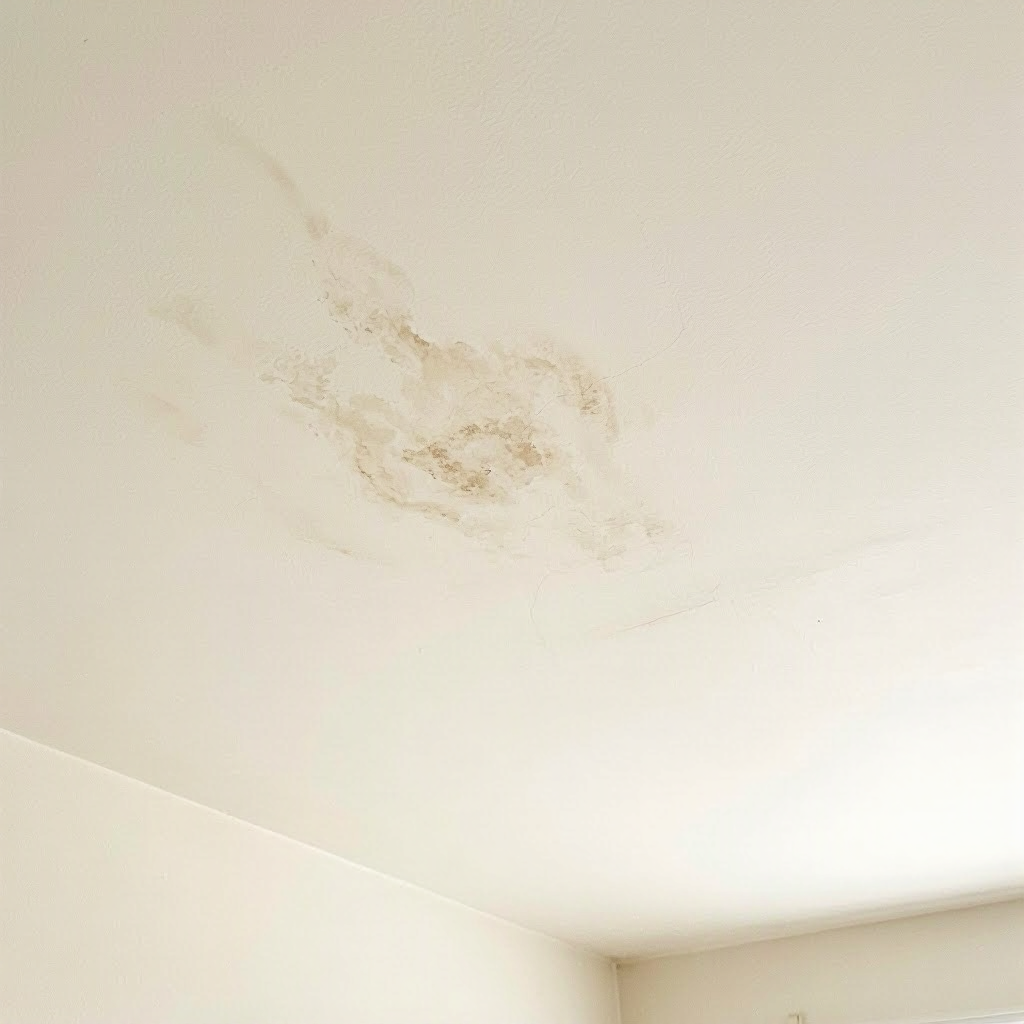
A faint brown stain on the ceiling in a spare bedroom. No dripping water, no obvious damage on the roof, no storm that stood out. Just a small mark that slowly became part of the background.
The homeowner assumed it was likely old, maybe condensation, maybe nothing urgent. Like many people, they planned to “watch it” and deal with it later.
That delay is where the real problem began.
⸻
🦠What Was Happening Behind the Ceiling
By the time we were called out, the visible stain was only a fraction of the issue.
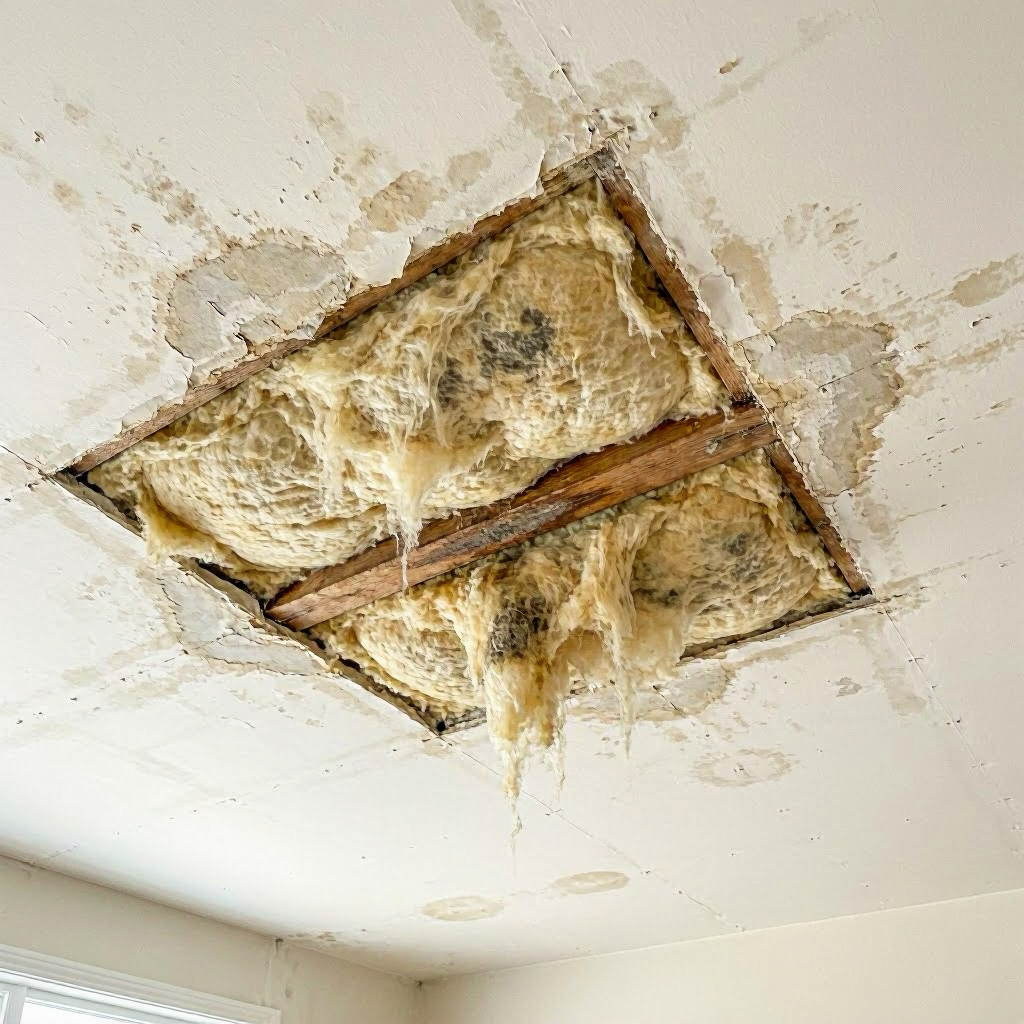
Once moisture gets under roofing materials, it doesn’t stay in one place. In this case, water had slowly travelled beneath shingles and into the roof structure itself.
What we found during inspection:
- Sections of roof decking beginning to rot
- Insulation in the attic holding moisture
- Evidence of long-term water tracking along wooden supports
- Early-stage mould growth in hidden areas
The roof wasn’t failing suddenly — it was failing quietly.
And that’s what makes these situations so common.
⸻
💧How a “Small Leak” Gets Worse in Alberta Weather
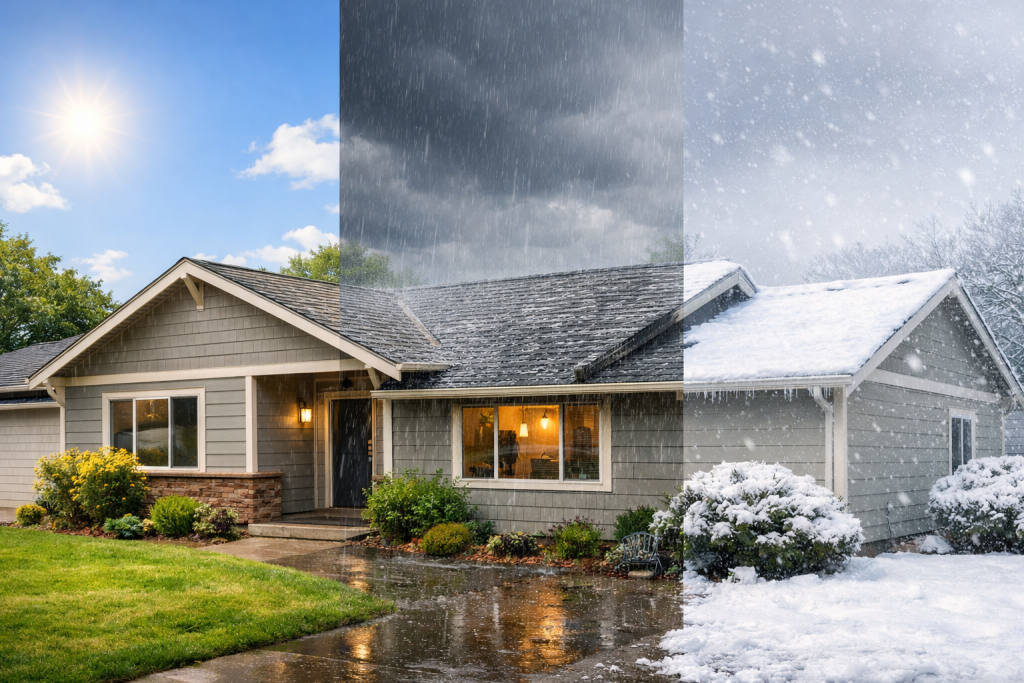
In climates like Alberta, roofing problems rarely stay static.
Here’s why:
- Freeze-thaw cycles: Water seeps in during the day, freezes at night, and expands
- Wind uplift: Strong winds can lift shingles just enough to let moisture in
- Snow melt: Slow melting snow can push water into small openings
- Hidden spread: Water rarely drips straight down — it travels along wood and insulation first
So while the homeowner saw a small ceiling stain, the roof was dealing with ongoing moisture intrusion every time the weather changed.
⸻
❓What Happened Next ?
When we removed more sections for inspection, it became clear the leak had been active far longer than expected.
What could have been a minor repair, replacing a few shingles or sealing a flashing point, had progressed into a much larger issue involving structural repair and interior restoration.
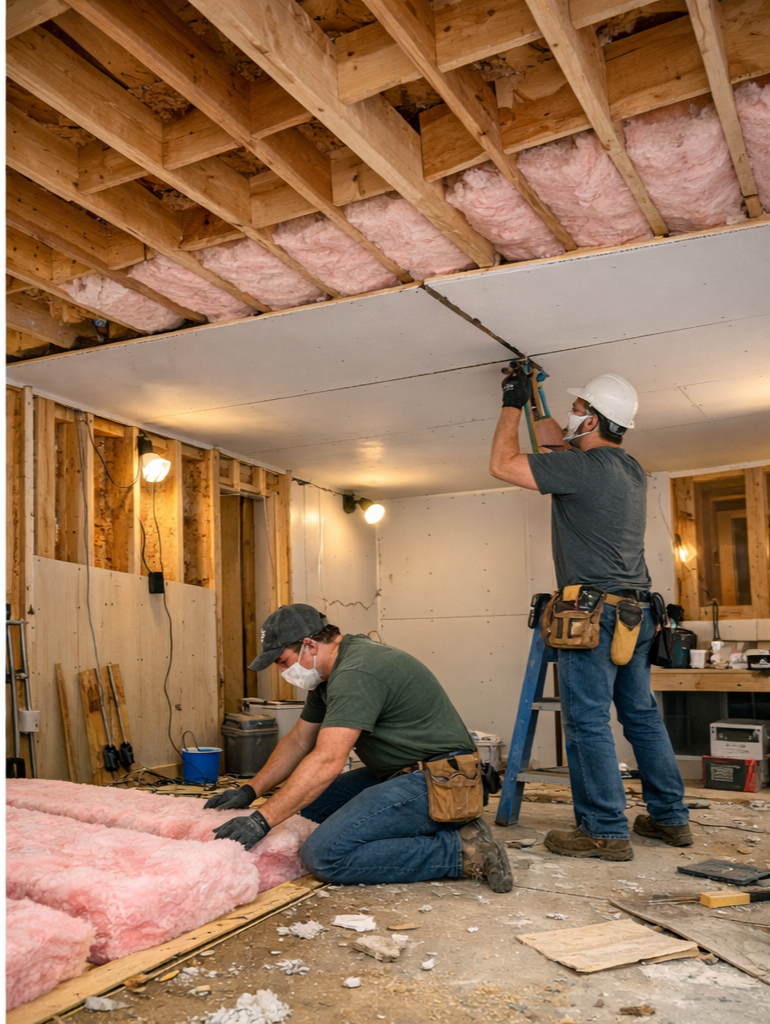
At that stage, the project wasn’t just roofing anymore. It included:
- Roof deck replacement
- Insulation removal and replacement
- Interior ceiling and drywall repair
- Full leak source correction
What started as a small fix had grown into a full system repair.
⸻
💰The Real Cost of Waiting
By the time the work was completed, the total cost was significantly higher than if the issue had been addressed early.
Not because something extreme happened, but because time allowed the damage to spread quietly.
This is the part most homeowners don’t realize:
A roof rarely “fails all at once.”
It fails in layers, over time, behind what you can see.
⸻
👀What Homeowners Should Watch For
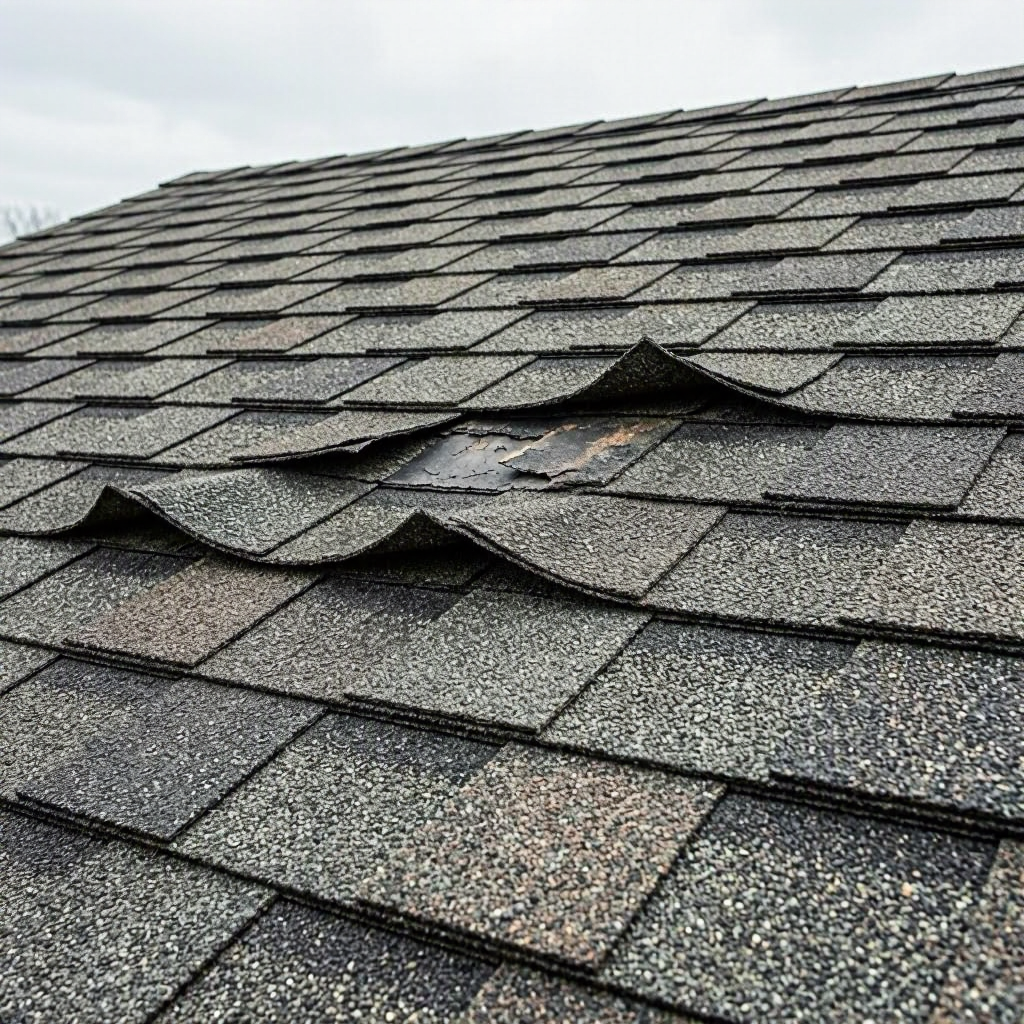
Most serious roofing issues begin with very small warning signs. Things like:
- Light stains on ceilings or upper corners of walls
- Shingles that look slightly curled or lifted
- Granules collecting in gutters
- Musty smells in the attic
- Small drafts or temperature changes in upper rooms
Individually, these don’t always look urgent. But together, they can point to a developing problem.
⸻
🕐Why Early Inspection Matters More Than Reaction
The difference between a small repair and a major restoration often comes down to timing.
A simple inspection can usually identify:
- Where water is entering
- How long it has been active
- Whether it has reached the structure
- What can still be saved vs. replaced
The earlier it’s caught, the more options there are — and the lower the disruption to the home.
⸻
⭐The Take-Away
This case is far from unusual.
In fact, it’s one of the most common situations we see: a small, quiet issue that doesn’t seem urgent until the hidden damage is already done.
If there’s one takeaway, it’s this:
Roof problems don’t usually announce themselves loudly. They build slowly, behind the scenes, until the signs finally become visible inside the home.
And by then, the repair is rarely as small as it once could have been.
Always be proactive with roof repairs and replacements !


